
Nintendo Switch 2 Rumored for 4K Upgrade
Update 5/14/25: Digital Foundry has unveiled detailed specifications for the Nintendo Switch's SoC, confirming previous rumors—including the exact number of CUDA cores in the Tegra T239. While this gives us a clear picture of the console's performance ahead of its June launch, actual game optimization remains to be seen. The outlook appears promising.
Original article:
The Nintendo Switch 2 has finally been unveiled. While it represents a major leap over its predecessor, today's handheld gaming landscape is far more competitive than in 2017. With devices like the Steam Deck and Asus ROG Ally X delivering AAA PC gaming portability, Nintendo's system faces stiffer competition.
The Switch 2's unique appeal still lies in exclusives like Mario Kart World, but its $449 price tag means multiplatform buyers must weigh its value against more capable (if pricier) alternatives.
Now that Nintendo has offered glimpses of the hardware powering its new console, we can examine whether its 4K claims hold merit.
Nvidia's Custom Chip Powering Switch 2
At the heart of the Nintendo Switch 2 lies a custom Nvidia SoC featuring DLSS and ray tracing support. Digital Foundry's analysis reveals the Tegra T239 APU combines an 8-core ARM CPU with an Ampere GPU housing 1,536 CUDA cores—similar architecture to the RTX 3080, albeit significantly scaled down.
Early 2023 leaks about the T239 chip have now been validated. The APU's configuration—8 ARM A78C cores paired with an Ampere GPU—translates to 12 Streaming Multiprocessors. While dwarfed by even laptop RTX 3050 specs, each SM reportedly includes four Tensor Cores and one RT core, totaling 48 and 12 respectively.
Comparatively, the Steam Deck's AMD APU features just 8 RDNA 2 cores. However, upcoming AMD Z2 Extreme processors with 16 RDNA 3.5 cores will outperform the Switch 2—though at considerably higher price points.
April 2025 Nintendo Direct: Switch 2 Game Lineup
All titles showcased in Nintendo's April Switch 2 presentation.See All



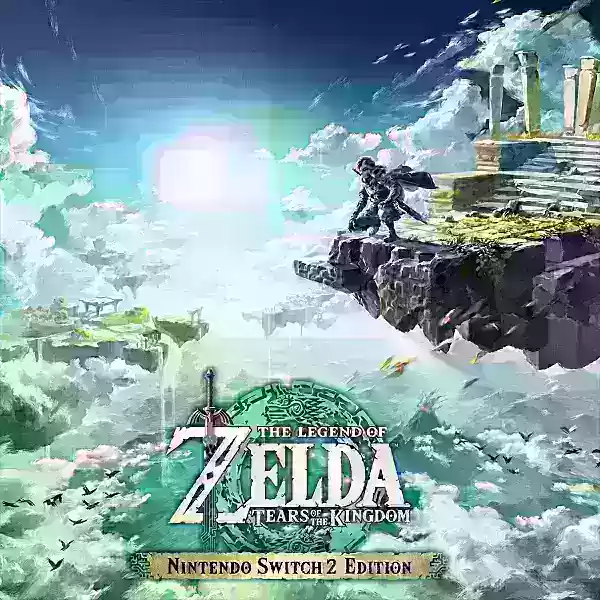
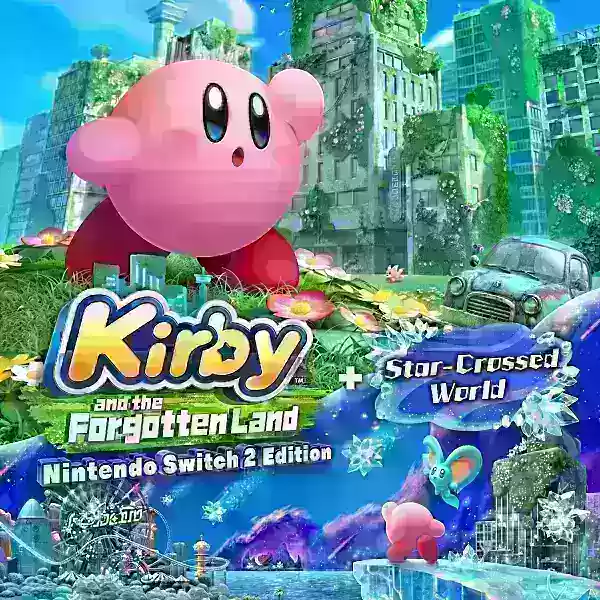




True 4K gaming seems improbable given the GPU's limitations, but DLSS may bridge the gap when docked. However, with only 48 Tensor Cores, 4K upscaling will likely be reserved for less demanding titles. Most games will probably target 1080p output, whether natively rendered (as with Donkey Kong Bananza) or upscaled from lower resolutions like 540p (evident in Cyberpunk 2077 demos).
The inclusion of 12 RT cores enables hardware-based ray tracing, but implementations will be constrained. Power limits further complicate matters—Digital Foundry's Richard Leadbetter estimates total system consumption around 10W, leaving just 5-6W for the SoC itself (one-third of the Steam Deck's allocation).
[Additional performance details: Docked GPU clocks hit 1,007MHz (just under 1GHz), while handheld mode drops to 561MHz—a significant performance gap. Curiously, the CPU runs faster in handheld mode (1,101MHz vs. 998MHz docked), likely compensating for reduced memory bandwidth (102GB/s docked → 68GB/s handheld). The 12GB LPDDR5 memory represents a major upgrade over the original Switch.]
Despite these limitations, Nintendo's track record of optimizing for its hardware shines in titles like Mario Kart World. The generational leap from Maxwell-based Tegra X1 (256 CUDA cores) to Ampere should dramatically improve performance for cross-gen games like Tears of the Kingdom.
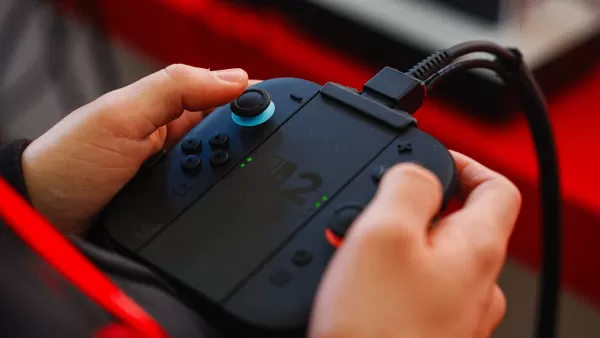
Battery Performance
Nintendo's 10W power target prioritizes battery life over raw performance. The company estimates minimum 2-hour runtime—shorter than the original Switch, but understandable given the higher-res display and beefier processor.
The 5,220mAh battery represents a 21% capacity increase over its predecessor (4,310mAh). At comparable voltage, this translates to ~19Wh—smaller than the Steam Deck's battery, explaining similar endurance despite the Switch 2's more efficient chipset.
Physical constraints likely prevented Nintendo from including a larger battery while maintaining the original Switch's slim profile.
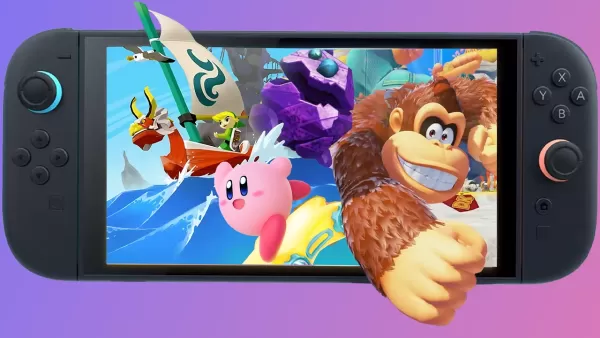
Display Technology
The 7.9-inch 1080p LCD marks a clear upgrade from the original Switch's 6.2-inch 720p panel. While not OLED, it boasts HDR10 certification (requiring ≥1,000 nits peak brightness) and WCG support. The 120Hz VRR capability seems ambitious for the hardware but could benefit indie titles or 40fps modes.
Compared to competitors, the Switch 2's display outshines the Steam Deck LCD (800p/400 nits) and even the Steam Deck OLED's lower-resolution panel. Only the ROG Ally X's premium screen matches these specs.
Should You Upgrade to Switch 2?
Objectively, the Switch 2 represents a massive upgrade—superior performance, enhanced display, and improved Joy-Con design. However, the handheld gaming market has evolved since 2017. At $449, it remains the best option for Nintendo exclusives, but multiplatform gamers might prefer more powerful alternatives. As always with Nintendo systems, the software library—not hardware specs—will be the ultimate deciding factor.











- 1 All the Buttons on Fisch Can Be Found Here Dec 24,2024
- 2 Roblox: Eat Pizza to Grow GIGACHAD Codes (January 2025) Feb 25,2025
- 3 Hogwarts Mystery Character Guide - All Romance Options Explained Apr 07,2025
- 4 Three Nights at the Blacksite Pressure Guide [April Fools] May 12,2025
- 5 Roblox Forsaken Characters Tier List 2025 Feb 14,2025
- 6 Top Pirate Crew Formations: Like a Dragon: Hawaii Mar 13,2025
- 7 Marvel Rivals' Controversial Hitbox System Draws Attention Feb 11,2025
- 8 Marvel Contest of Champions Champion Cards Guide Mar 14,2025

![LeMOMnade: Family Squeeze! – Version 1.1.1 [mtrellex]](https://img.3xbz.com/uploads/38/1719569762667e8d62c486e.jpg)



-
Mastering the Art of Digital Tools
A total of 10
-
Best News & Magazines Apps for Daily Reading
A total of 10
-
Hidden Gems: Unexpectedly Useful Other Apps
A total of 10