
Xbox's Next Model Evolves Into a Gaming PC
In a surprising turn of events, Microsoft has announced its partnership with AMD for the next generation of Xbox "devices." While this news isn't entirely unexpected, it ignites a crucial discussion about the future of gaming as we enter a new era.
Knowing who will develop the silicon for the next Xbox is important, but the real takeaway is the Xbox team's commitment to "working closely with the Windows team to make Windows the number one gaming platform." Following last week's reveal of the ROG Xbox Ally X, it increasingly appears the next Xbox will resemble a gaming PC.
Working Closely With Windows, Huh?
Over successive generations, Xbox consoles have progressively adopted characteristics of gaming PCs, right down to their underlying operating system. The home screen of the Xbox Series X bears a striking resemblance to Microsoft's desktop OS—a similarity that's hard to miss, especially for anyone familiar with Windows 8 and Windows 10.
In the video announcement for the AMD collaboration, Xbox president Sarah Bond began by stating the company's vision: enabling you to "play the games you want, with the people you want, and wherever you want." This strategy isn't new for Microsoft, which has focused on expanding game accessibility for years, particularly since the introduction of the Play Anywhere initiative.
As someone who regularly switches between my Xbox console and multiple PCs, the Play Anywhere program ensures my game progress is seamlessly synchronized across devices. This is purely speculative, but Microsoft seems poised to push this concept even further. In the video, Bond mentions delivering an Xbox experience not confined to a single digital storefront. I might be reading between the lines, but this strongly suggests that integrating platforms like Steam and the Epic Games Store into the next Xbox is a distinct possibility.
And why wouldn't they? Microsoft has already unveiled an "official" device developed with Asus that supports all PC game stores. Why stop with just that?
The ROG Xbox Ally X As a First Step
The ROG Xbox Ally X stands out from other Windows handhelds because it's a collaborative effort with Asus and ships with a customized version of Windows. While the exact nature of these modifications remains unclear, we know the OS will bypass loading certain desktop elements when they're unnecessary.
Critically, the system will boot directly into a new iteration of the Xbox App, completely bypassing the standard desktop interface. If you're familiar with the Steam Deck, this is essentially what SteamOS achieves with its tailored Linux build. Accessing the full desktop requires a manual launch and a loading screen. This design not only enhances usability but also optimizes gaming performance.
If the next Xbox runs on Windows, adopting this streamlined approach is essential. A key advantage of consoles over PCs is their simplified software, which allows game engines to utilize system resources more efficiently. Microsoft is already developing the necessary tools, and it would be strange if these innovations were exclusive to the ROG Xbox Ally X.
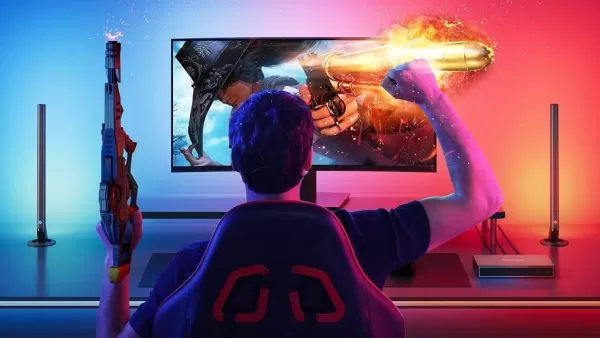
The Next Xbox Should Be a PC, Even If It’s Not
PC gaming currently occupies a peculiar space, a situation that has persisted for some time. While PCs are more powerful and diverse in form factor than ever, they share one common trait: a high price tag. Even impressive recent handhelds, such as the SteamOS-powered Lenovo Legion Go S, are significantly more expensive than traditional consoles.
Microsoft bears some responsibility for this cost disparity. When you purchase a Windows-based gaming laptop or handheld, a portion of the price covers the operating system license. This is why a device like the standard ROG Ally with the Z1 chip often costs more than a Steam Deck with comparable specifications—a longstanding reality of the market.
Consoles typically operate on a different economic model. Since revenue is primarily generated through licensing fees and game sales, the hardware itself is often sold at a subsidized cost, making it more affordable than an equivalent PC—at least initially.
Microsoft has a unique opportunity to apply this subsidized model to what is essentially a specialized gaming PC. With PC gaming's popularity surging, this strategy could attract an entirely new audience to the platform.
Given that graphics card prices show no signs of decreasing in the immediate future, this new Xbox could provide the revitalization that the PC gaming sector needs right now.













- 1 All the Buttons on Fisch Can Be Found Here Dec 24,2024
- 2 Roblox: Eat Pizza to Grow GIGACHAD Codes (January 2025) Feb 25,2025
- 3 Three Nights at the Blacksite Pressure Guide [April Fools] May 12,2025
- 4 Hogwarts Mystery Character Guide - All Romance Options Explained Apr 07,2025
- 5 Roblox Forsaken Characters Tier List 2025 Feb 14,2025
- 6 Top Pirate Crew Formations: Like a Dragon: Hawaii Mar 13,2025
- 7 Marvel Rivals' Controversial Hitbox System Draws Attention Feb 11,2025
- 8 Marvel Contest of Champions Champion Cards Guide Mar 14,2025





-
Mastering the Art of Digital Tools
A total of 10
-
Best News & Magazines Apps for Daily Reading
A total of 10
-
Hidden Gems: Unexpectedly Useful Other Apps
A total of 10