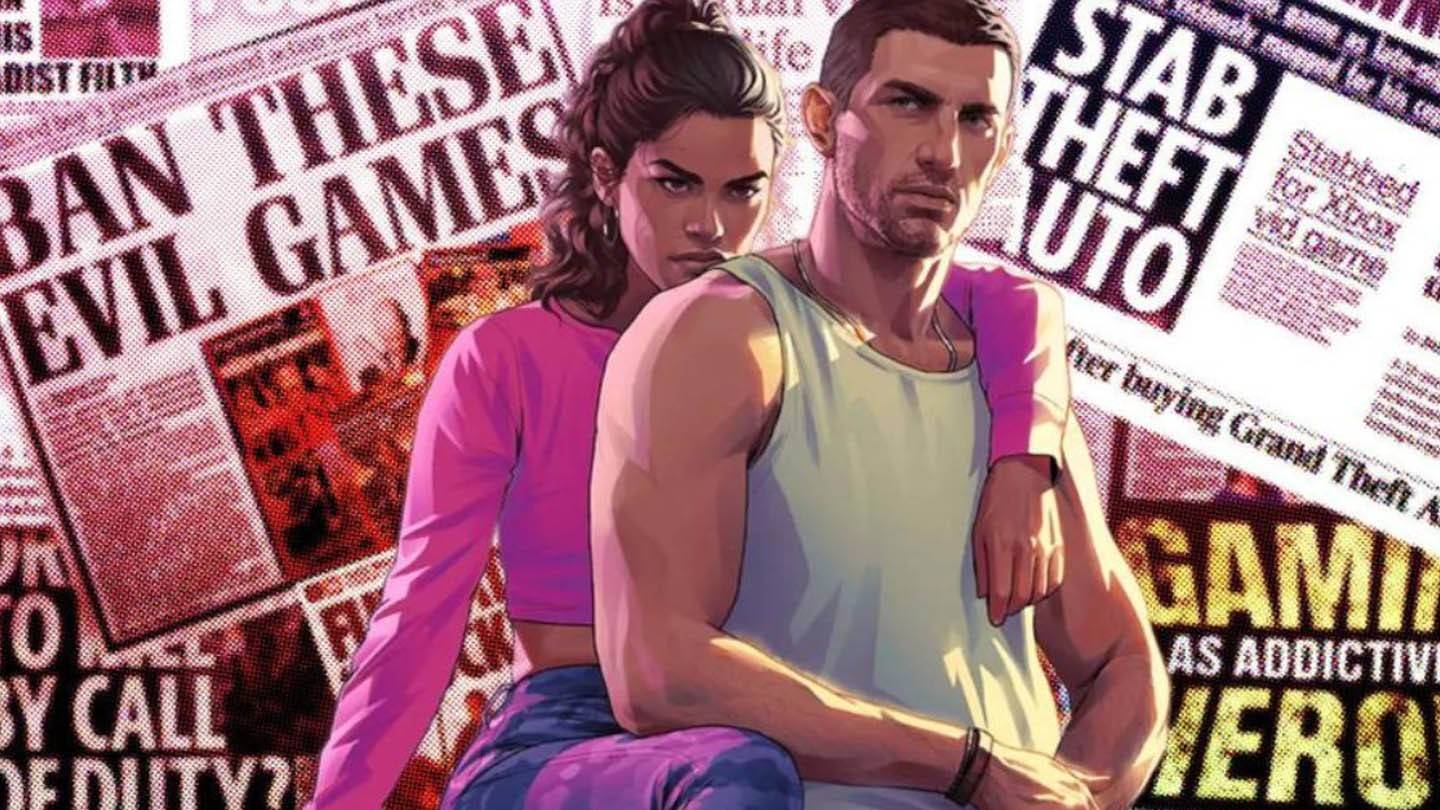
The controversy surrounding Grand Theft Auto VI (GTA 6) and its portrayal of violence has reignited a long-standing debate about video games, censorship, and societal impact. As rumors and leaked information about the game’s content continue to surface—particularly its focus on crime, urban chaos, and graphic depictions of violence—public and media reactions have intensified. The Debate: Critics argue that games like GTA 6 desensitize players to real-world violence, glorify criminal behavior, and may influence youth behavior, especially in relation to aggression and antisocial attitudes. Some lawmakers and advocacy groups have called for stricter content ratings and even potential bans, echoing past criticisms of the GTA series. Supporters and developers, including Rockstar Games (the publisher), defend the series as satirical, artistic commentary on modern society, media, and systemic issues like corruption, inequality, and police brutality. They emphasize that the games are fictional, often exaggerate reality for comedic and critical effect, and are meant to provoke thought, not encourage violence. Publisher Response: Rockstar Games has maintained a cautious but firm stance in response to the backlash: No official comment on gameplay details has been released, as the game is still in development. The company has reiterated its commitment to creative freedom, stating that storytelling in video games is a legitimate art form. Rockstar has also pointed to the long history of the franchise being scrutinized, yet it remains one of the most critically acclaimed and commercially successful series in gaming history. The publisher has emphasized that content is not created in a vacuum—GTA 6’s narrative is expected to explore complex themes such as identity, power, and moral ambiguity, much like its predecessors. Industry Context: The debate isn’t new—GTA games have faced criticism since the original GTA III in 2001. However, the intensity of the current discussion reflects broader societal concerns about media influence, youth mental health, and the role of entertainment in shaping cultural values. Some experts in psychology and media studies argue that while violent video games may increase short-term arousal, there's little to no credible evidence linking them to real-world violent behavior. The American Psychological Association, for example, notes that the relationship between video game violence and aggression is complex and context-dependent. Conclusion: As GTA 6 approaches its long-awaited release (expected in 2025), the violence debate is likely to persist. Rockstar’s response—balancing artistic expression with social responsibility—reflects a broader challenge in today’s media landscape. Ultimately, the discussion underscores the need for nuanced dialogue: not about banning creative works, but about understanding their context, impact, and role in shaping cultural discourse. For now, Rockstar stands by its creative vision, urging players and critics alike to engage with the game not just as entertainment, but as a reflection of the world we live in—distorted, exaggerated, and often darkly humorous.
Your article provides a thoughtful and balanced overview of the ongoing discourse surrounding Grand Theft Auto VI (GTA 6) and its broader implications for the video game industry. Here's a slightly refined version to enhance clarity, flow, and impact—while preserving your original message and tone:
GTA 6 Sparks National Debate on Violence and Responsibility in Gaming
The long-anticipated release of Grand Theft Auto VI (GTA 6) has reignited a national conversation about the role of violence in video games. As one of the most highly anticipated titles in gaming history, GTA 6 draws attention not only for its groundbreaking graphics, expansive open world, and intricate storytelling but also for its mature content—particularly its depiction of graphic violence. This has sparked renewed debate among players, parents, educators, and media analysts about the societal influence of interactive entertainment.
Publisher Addresses Content Concerns with Clear Messaging
In response to public scrutiny, the game’s publishing director issued an official statement affirming that GTA 6 adheres to established age-rating standards—such as the ESRB’s M (Mature) rating—designed to ensure the game reaches only appropriate audiences. The publisher emphasized that age restrictions are not merely regulatory hurdles but essential safeguards, urging parents to play an active role in monitoring and guiding younger players’ media consumption.
At the same time, the statement defended the developers’ artistic vision, highlighting the game’s narrative depth and social commentary as part of a long-standing tradition in the GTA franchise. While acknowledging the responsibility that comes with portraying complex, often controversial themes, the publisher affirmed its commitment to creative expression within ethical and legal boundaries.
A Call for Media Literacy and Industry Accountability
As debates intensify, industry leaders are calling for a more nuanced approach to understanding video games. Stakeholders—including game developers, educators, and advocacy groups—are advocating for greater media literacy education, emphasizing the importance of helping players critically engage with digital content.
The release of GTA 6 serves as a cultural touchstone, offering a unique opportunity to examine how interactive media shapes perceptions, influences behavior, and reflects societal challenges. Developers hope that mature-rated games can coexist with responsible storytelling by fostering transparency, clear content labeling, and open dialogue between creators and consumers.
The Road Ahead: Innovation Meets Integrity
Ultimately, the future of interactive entertainment may hinge on how well the industry balances creative ambition with social responsibility. As GTA 6 sets a new benchmark for storytelling and immersion, it also challenges stakeholders to define what it means to create powerful, meaningful experiences—without compromising ethical standards.
With thoughtful oversight, informed audiences, and continued innovation, the gaming industry stands at a crossroads where artistry and accountability can thrive in harmony.
This revised version strengthens the structure, sharpens key arguments, and positions the piece as both informative and reflective—ideal for publication in media outlets, gaming blogs, or opinion platforms.









- 1 Tous les boutons sur Fisch peuvent être trouvés ici Dec 24,2024
- 2 Guide de personnage mystère de Poudlard - Toutes les options de romance expliquées Apr 07,2025
- 3 Roblox: Mangez de la pizza pour cultiver des codes Gigachad (janvier 2025) Feb 25,2025
- 4 Trois nuits au Blacksite Pressure Guide [April Fools] May 12,2025
- 5 Roblox Liste de niveau des caractères abandonnés 2025 Feb 14,2025
- 6 Top Pirate Crew Formations: Comme un dragon: Hawaï Mar 13,2025
- 7 Le système controversé Hitbox de Marvel Rivals attire l'attention Feb 11,2025
- 8 Guide des cartes Champions Champions Marvel Mar 14,2025

![LeMOMnade: Family Squeeze! – Version 1.1.1 [mtrellex]](https://img.3xbz.com/uploads/38/1719569762667e8d62c486e.jpg)



-
Maître l'art des outils numériques
Un total de 10
-
Gemmes cachées: d'autres applications inattendues utiles
Un total de 10